Root Canal ın Turkey Istanbul
The preservation of natural dentition has become the primary objective of modern restorative dentistry. In 2026, a Root Canal in Turkey, Istanbul, represents the highest level of micro-surgical intervention available to patients suffering from deep decay, trauma, or persistent infection. Istanbul has solidified its position as a global center for endodontic excellence, attracting patients from the UK, Germany, and the USA who prioritize keeping their natural teeth over extraction and implantation. This popularity is driven by the city's unique concentration of specialized endodontists who utilize 3D imaging, high-power dental microscopes, and advanced bioceramic materials to ensure that even the most severely compromised teeth can be saved and restored to full function.
Choosing Istanbul for a root canal means accessing a sophisticated digital workflow where predictability and patient comfort are guaranteed. In 2026, the Turkish dental sector has largely moved beyond traditional hand-filing methods, adopting robotic rotary systems and ultrasonic irrigation protocols that eliminate 99.9 percent of intra-canal bacteria. For the international patient, this translates to a faster, painless, and more reliable procedure that preserves the biological integrity of the jawbone and the natural proprioception of the tooth.

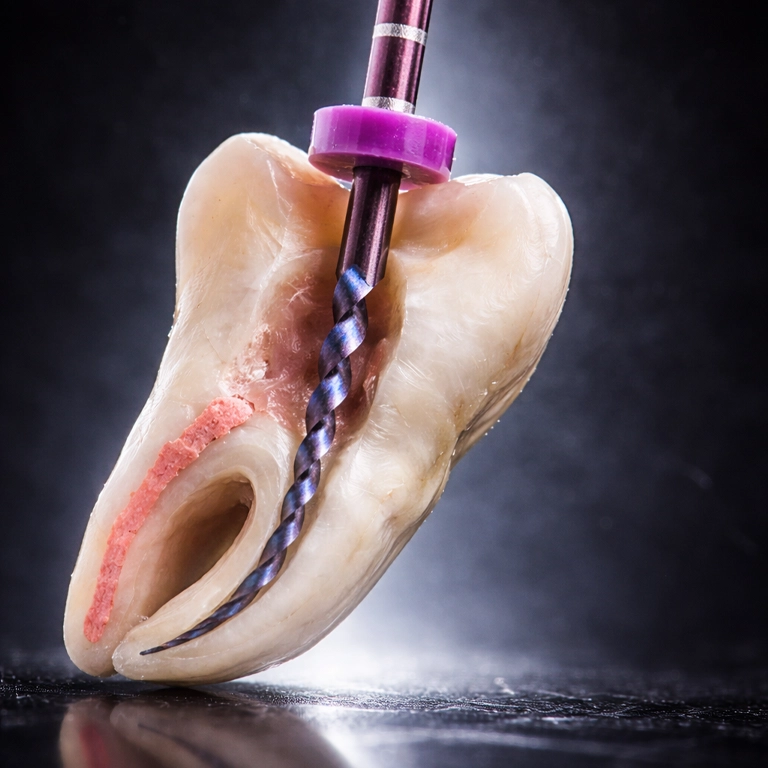
What Are Root Canal
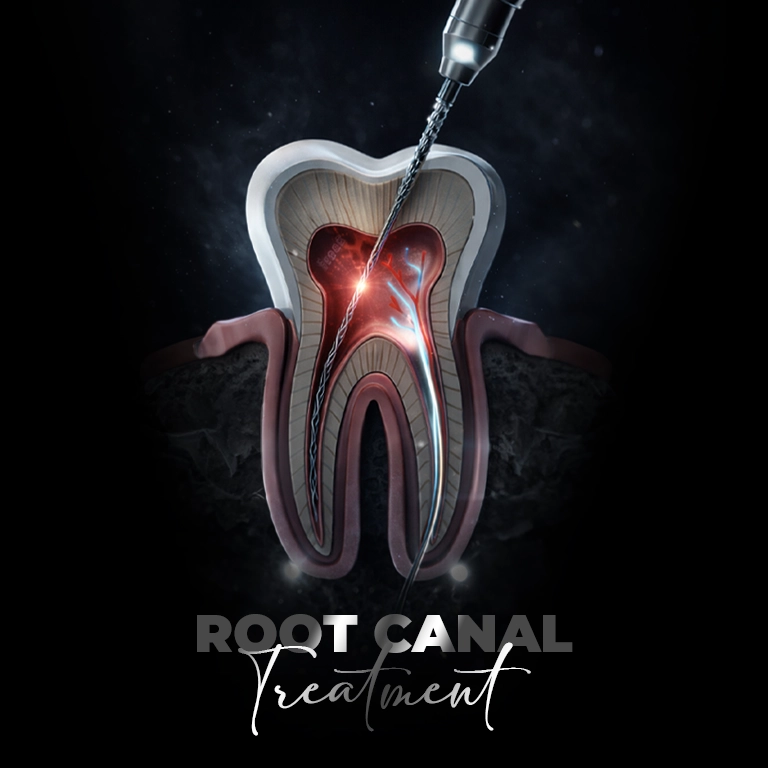
A Root Canal, scientifically known as endodontic therapy, is a specialized dental procedure designed to remove infected or inflamed pulp from the internal structure of a tooth. The pulp is the soft tissue located beneath the enamel and dentin layers, containing the nerves, blood vessels, and connective tissue that nourish the tooth during its development. When this tissue becomes compromised due to deep caries, repeated dental procedures, or traumatic fractures, it can lead to severe pain, abscess formation, and systemic infection if not addressed promptly.
The biological goal of a root canal is to thoroughly disinfect the internal canal system and seal it with a biocompatible material to prevent future microbial invasion. In 2026, clinicians in Istanbul view the root canal system not as a simple tube, but as a complex three-dimensional network of lateral canals and microscopic ramifications. By using the Dental Operating Microscope (DOM), specialists can identify and treat these hidden spaces with a level of precision that was impossible in previous decades. Once the infection is cleared, the natural tooth remains anchored in the jawbone, maintaining the alignment of the surrounding teeth and preventing the bone loss that inevitably follows tooth extraction.
Modern endodontics in Istanbul also focuses on the concept of "Biomimetic Restoration." This involves using materials that chemically bond to the tooth structure, such as bioceramic sealers, which promote the healing of the periapical bone. This ensures that the tooth is not just "fixed" but biologically integrated back into a healthy oral environment. For patients in 2026, a root canal is no longer a procedure to be feared, but a high-tech solution for long-term tooth salvation.
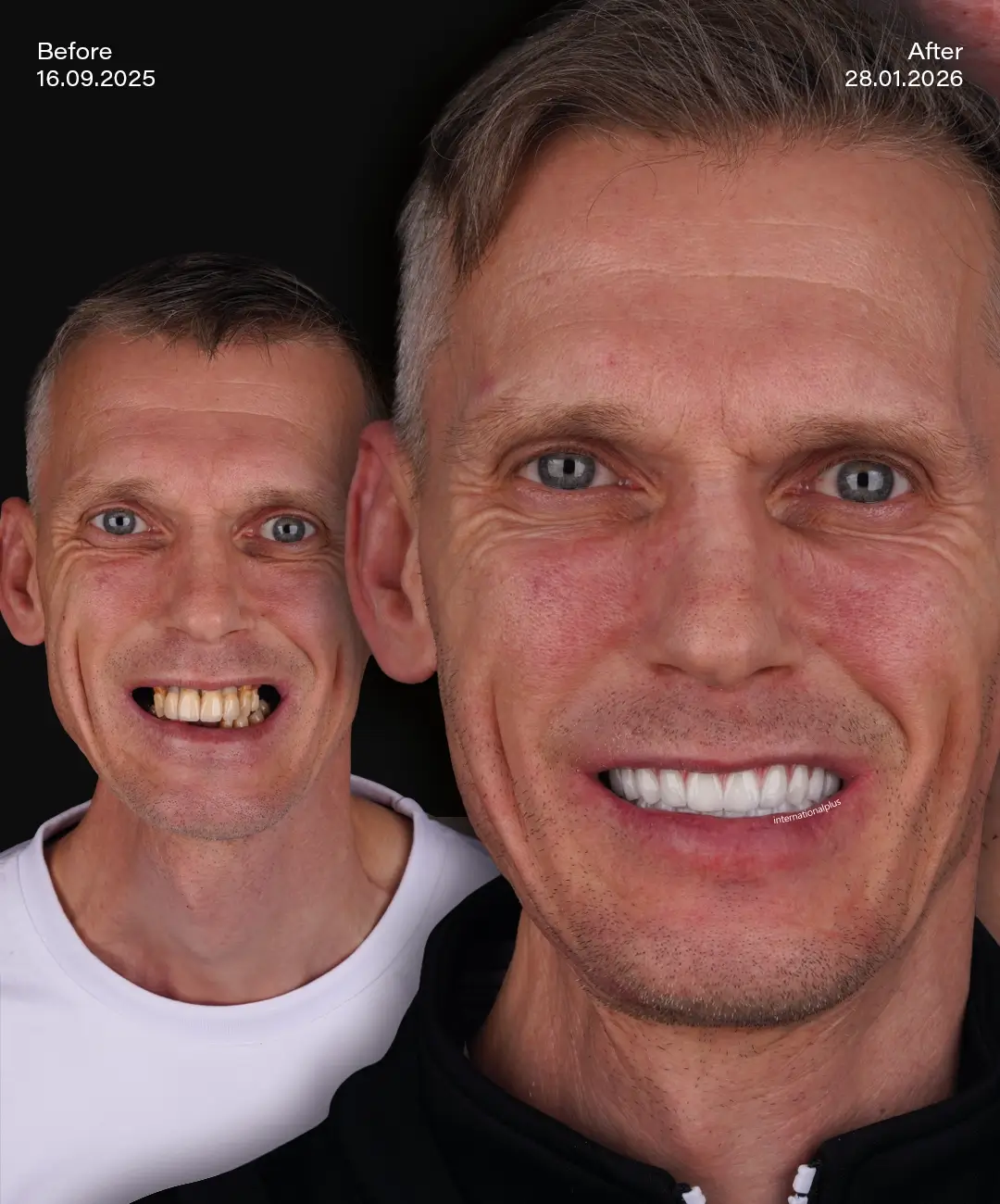
Root Canal BEFORE & AFTER
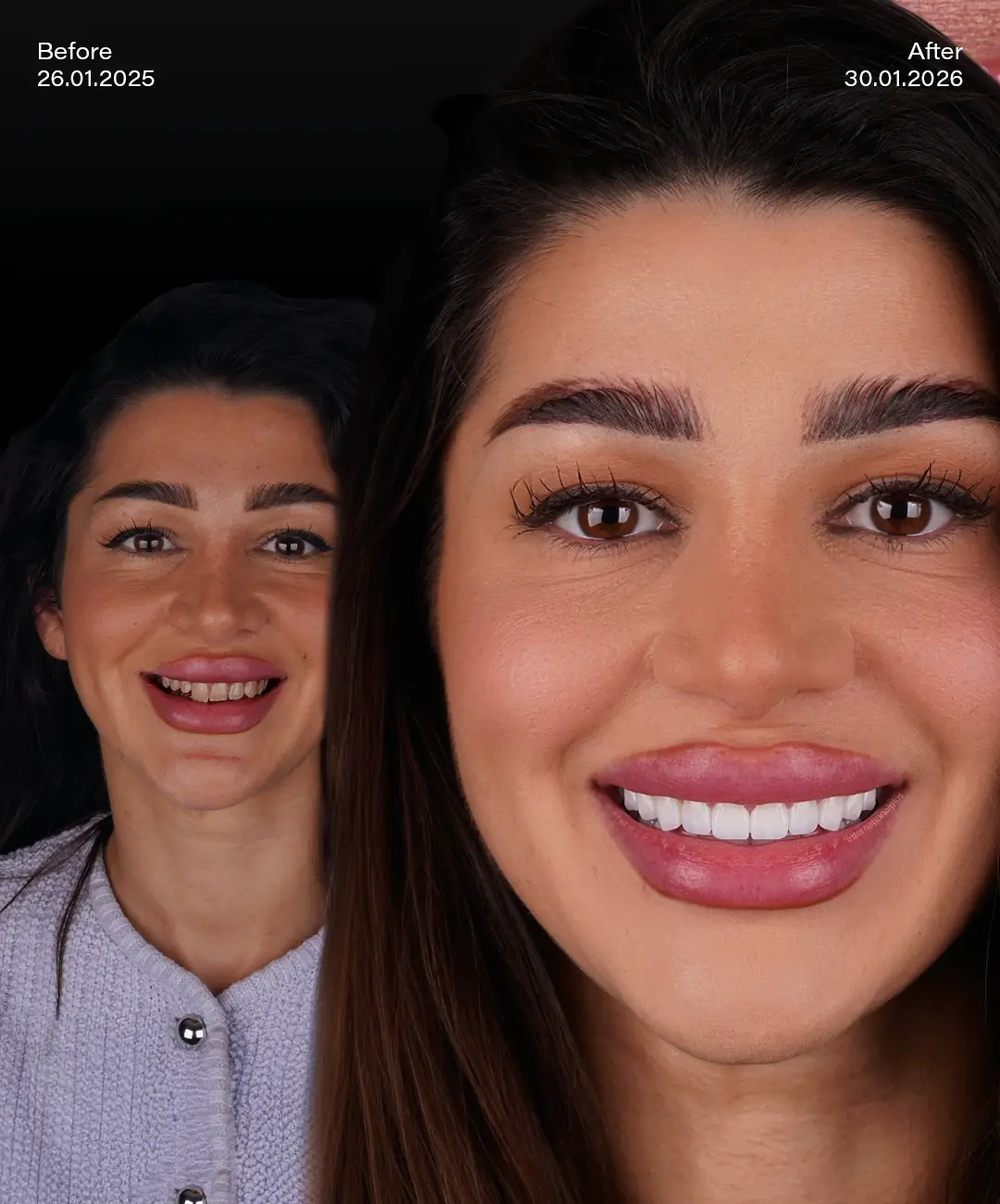
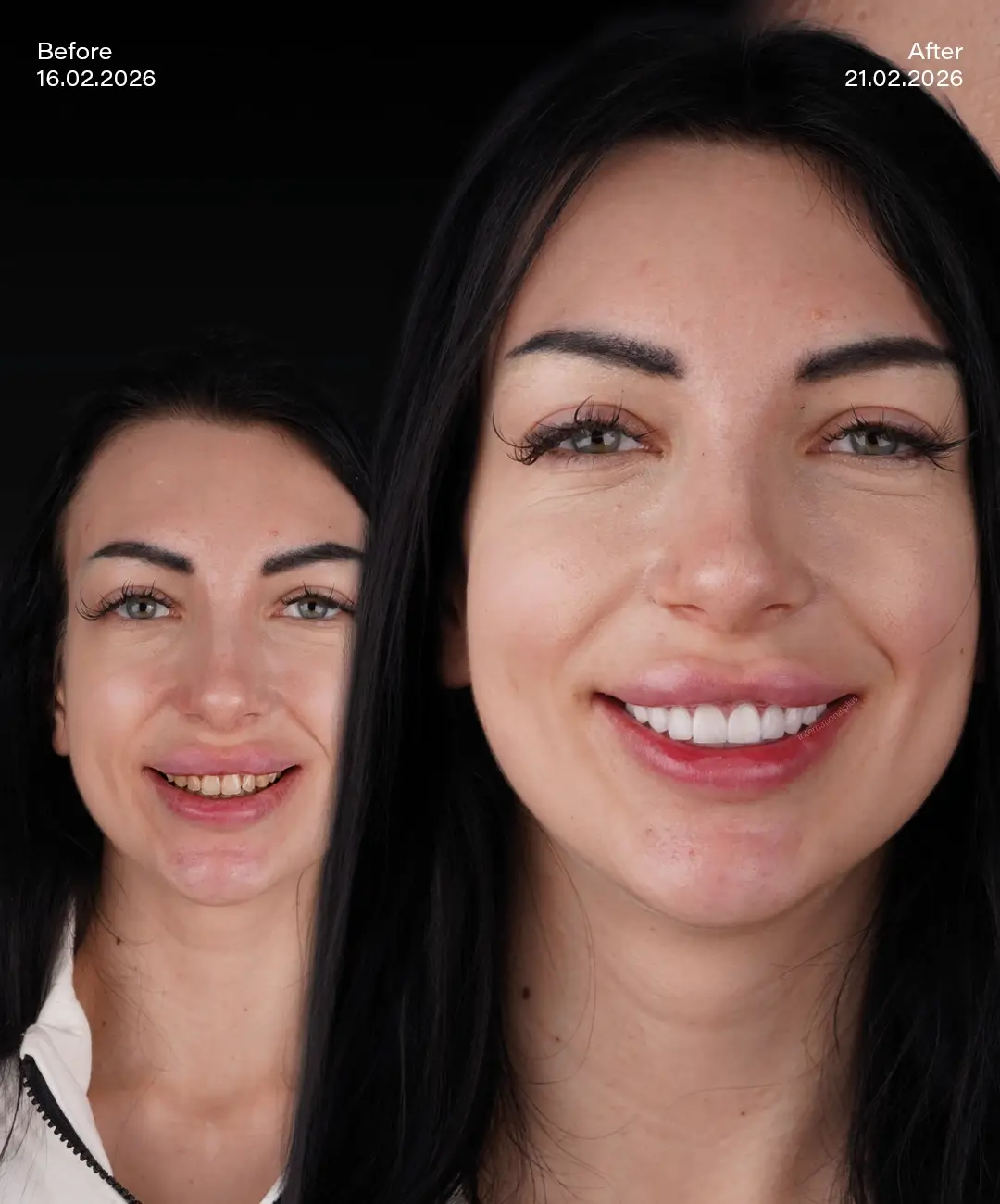
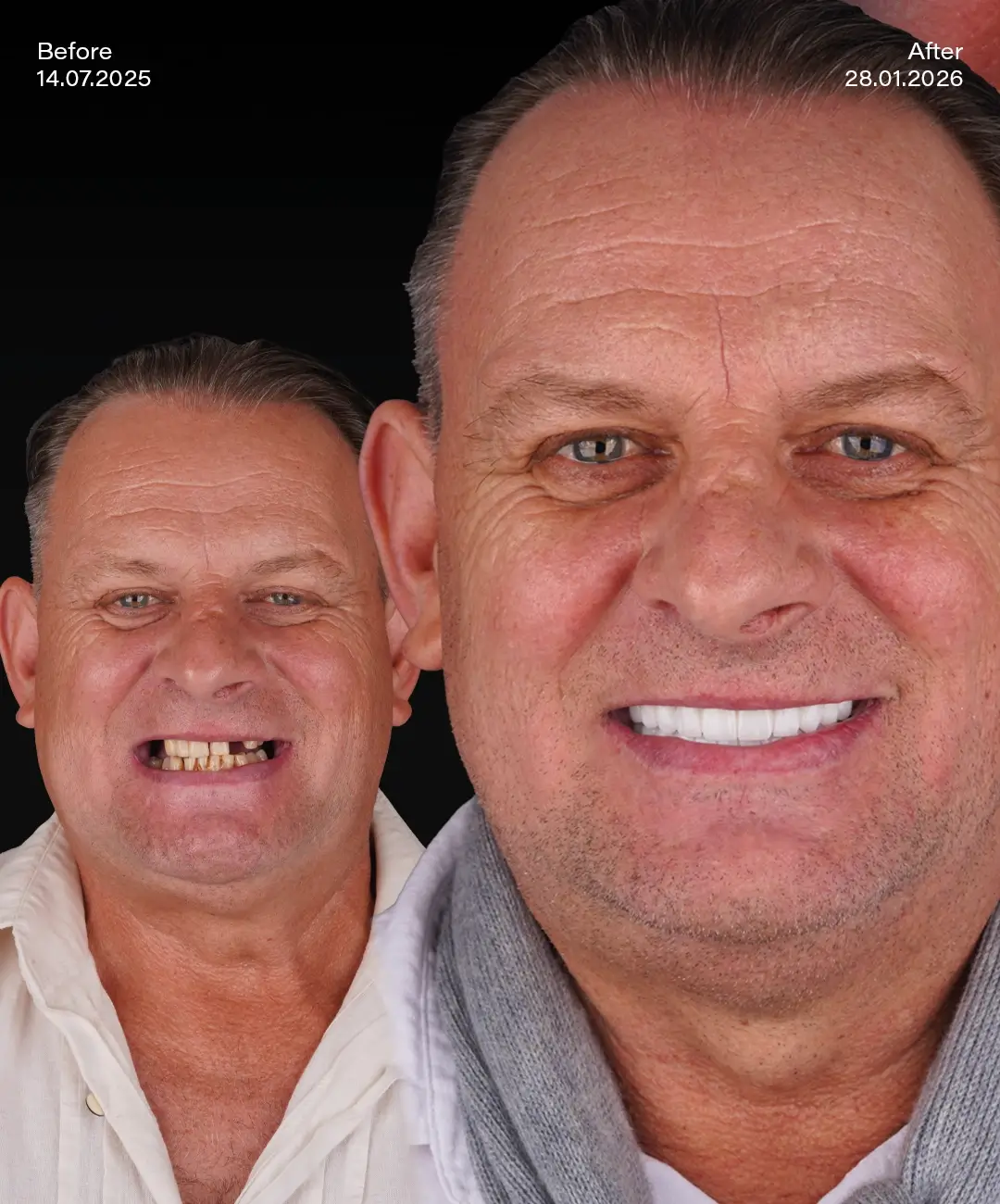
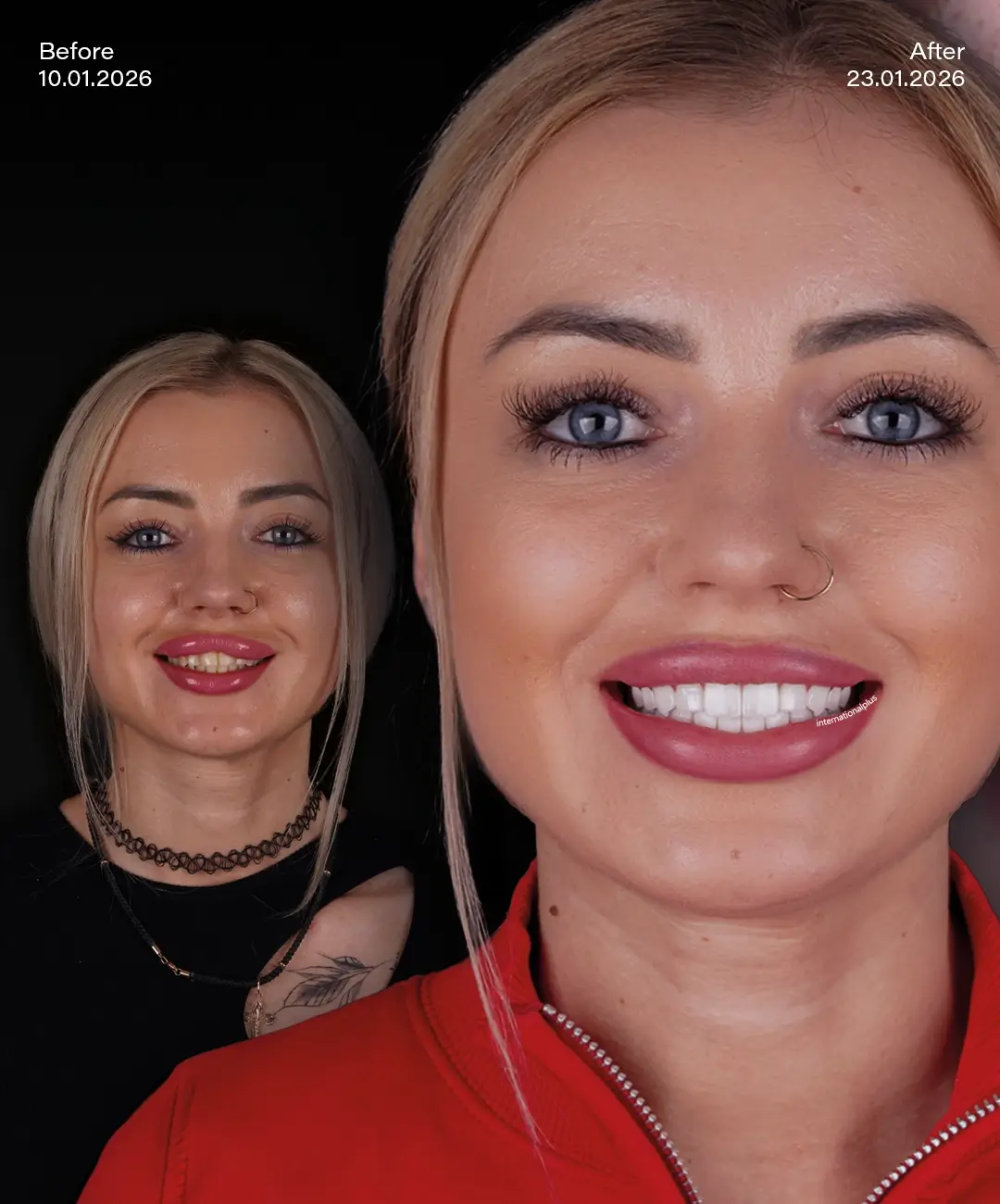
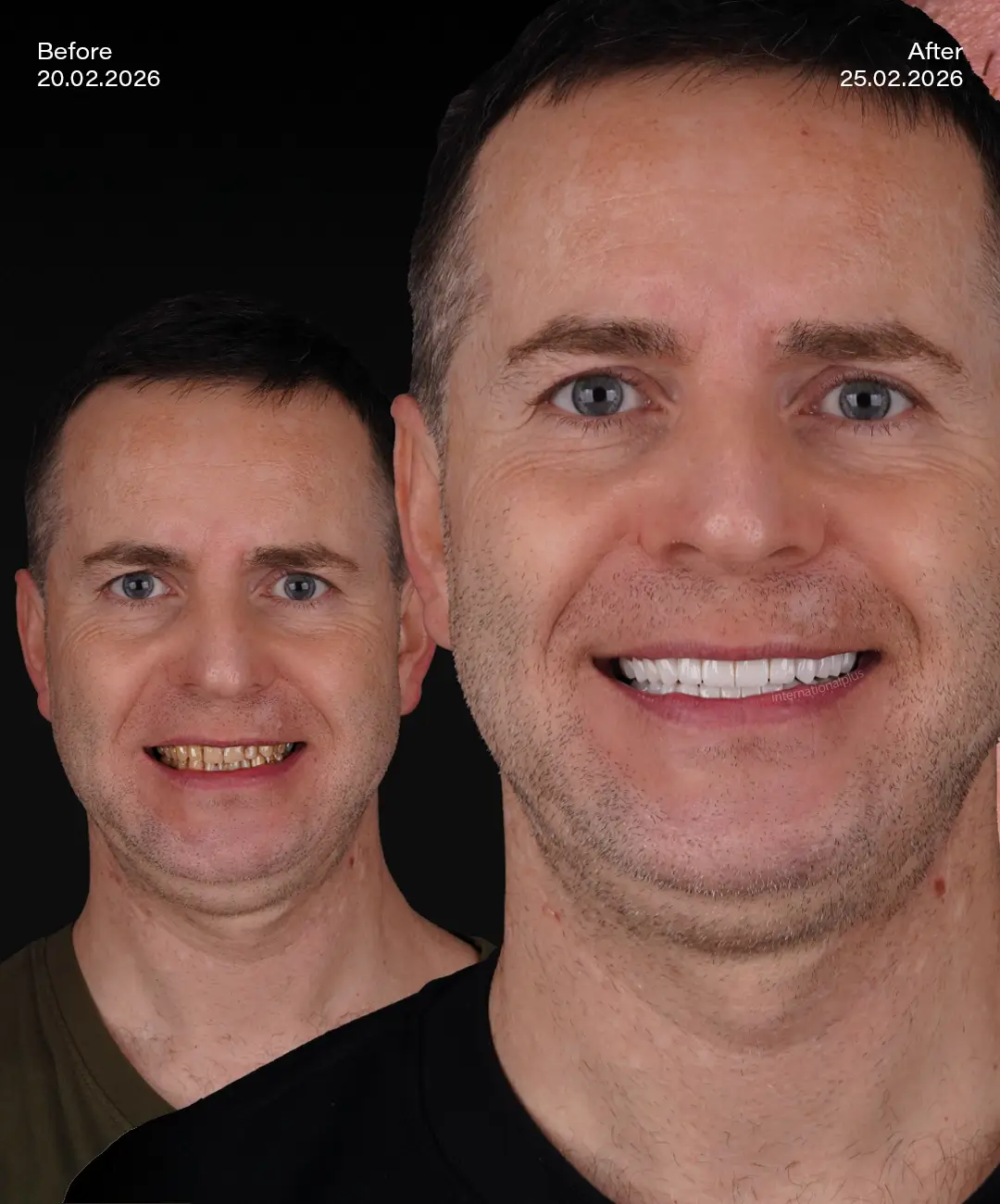
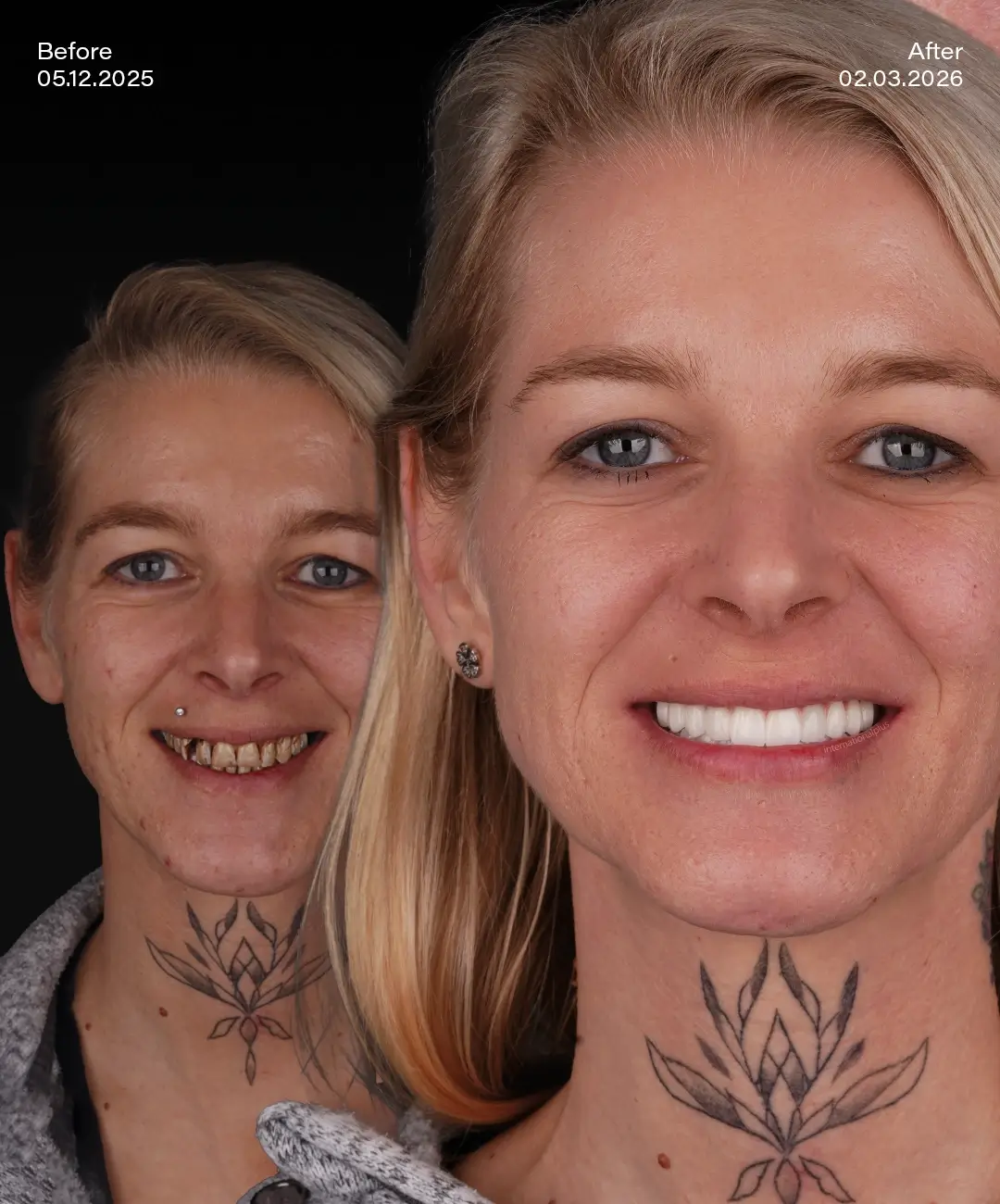
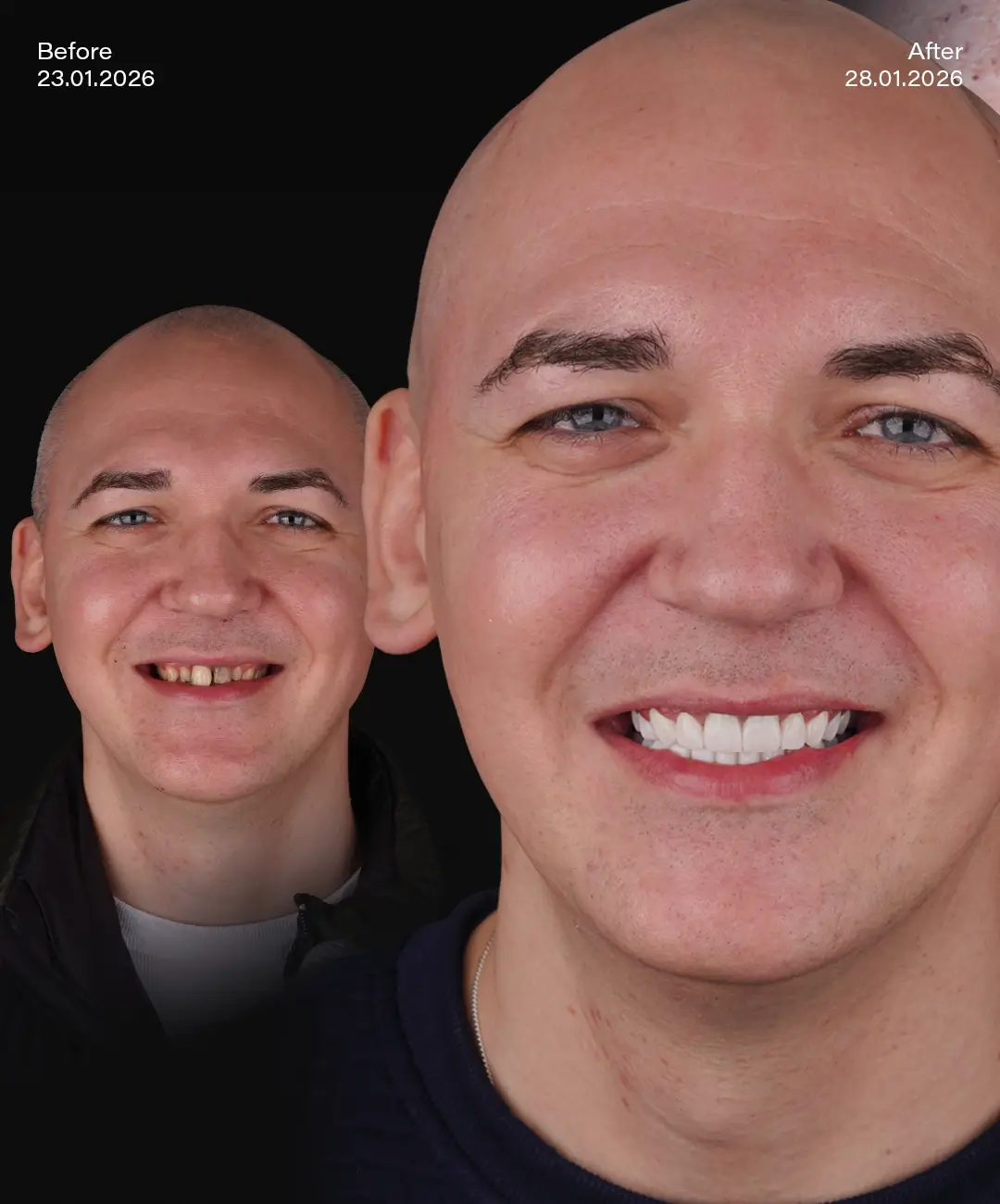
Root Canal Cost: Turkey vs UK/Germany/USA
| Country | Estimated Cost for Micro-Root Canal | Savings in Turkey |
|---|---|---|
| 🇬🇧 United Kingdom | £400 – £1,200 | Up to 75% |
| 🇩🇪 Germany | €600 – €1,400 | Up to 70% |
| 🇺🇸 United States | $700 – $2,000 | Up to 80% |
| 🇹🇷 Turkey — Istanbul | Competitive Rates (Inquire) | — |
The cost efficiency in Istanbul is driven by the high volume of international cases and the streamlined nature of specialized dental hubs. In the UK or the USA, the majority of the cost is attributed to the high hourly rates of the specialist endodontist and the administrative overhead of small private practices. In Istanbul, the top-tier clinics are equipped with in-house 3D scanners and microscopes, allowing them to provide premium care as a standard offering rather than a luxury add-on. For patients requiring multiple root canals or complex retreatments, the savings in Istanbul can often cover the entire cost of travel and a luxury stay in the city.
Why Choose Istanbul Root Canal
Istanbul has emerged as a global leader for root canal procedures because it offers a "Technology-First" approach that is specifically tailored for international patients who require rapid and reliable results. By 2026, the city’s clinics have perfected the "Micro-Endodontic" workflow, ensuring that every patient receives the same level of care regardless of the complexity of their case.
The first reason to choose Istanbul is the "Microscopic Advantage." The use of a dental operating microscope is a mandatory standard in Istanbul’s elite clinics. This technology allows the endodontist to see fine details like microscopic fractures, extra canals, or calcified blockages that are completely invisible to the naked eye. This level of visualization is the primary reason why Istanbul boasts success rates that exceed global averages. By seeing the invisible, Turkish specialists can treat the source of the infection with absolute certainty.
The second reason is the integration of "3D Endodontics." In 2026, the use of CBCT (Cone Beam Computed Tomography) is standard for all root canal cases in Istanbul. Unlike traditional 2D X-rays, the CBCT scan provides a three-dimensional view of the tooth's root anatomy. This allows the specialist to map the exact length and curvature of the canals before the procedure even begins. This "Digital Roadmap" minimizes the risk of procedural errors and ensures that the cleaning and shaping phase is as conservative as possible, preserving the maximum amount of natural tooth structure.
Finally, the "One-Visit Protocol" in Istanbul is a major draw for busy international travelers. Using advanced rotary NiTi files and high-frequency ultrasonic irrigation, the majority of root canals in Istanbul can be completed in a single 90-minute session. This reduces the time the patient needs to spend in the chair and eliminates the risk of infection between appointments, which is a common problem with traditional multi-visit methods used elsewhere.
Types of Root Canal We Use
Primary Root Canal Treatment
This is the standard procedure for teeth that have never been treated before. We use flexible nickel-titanium (NiTi) rotary files that follow the natural curvature of the root, ensuring a thorough cleaning without weakening the tooth.
Root Canal Retreatment
For teeth where a previous root canal has failed due to hidden canals or incomplete cleaning, we perform a specialized retreatment. This involves removing the old filling material under a microscope, identifying the cause of the failure, and re-disinfecting the entire canal system with advanced ultrasonic tools.
Apicoectomy (Endodontic Microsurgery)
When an infection persists at the very tip of the root and cannot be reached through a standard root canal, we perform an apicoectomy. This involves a small surgical opening in the gum to remove the infected root tip and seal it with bioceramic material.
Laser-Assisted Root Canal
In 2026, many Istanbul clinics utilize dental lasers to further enhance the disinfection process. The laser light penetrates deep into the microscopic dentinal tubules, killing bacteria that chemical irrigants might miss, which is particularly effective for chronic or stubborn infections.
Regenerative Endodontics
For immature teeth in younger patients, we use regenerative protocols to stimulate the continued development of the root and the revitalization of the pulp tissue, a cutting-edge approach that aims for biological restoration rather than just filling the tooth.
STEP-BY-STEP PROCEDURE
3D Diagnostic Mapping
The journey begins with a CBCT scan. This provides a detailed 3D view of the tooth, the roots, and the surrounding bone. We also perform vitality tests to confirm the status of the pulp and determine the exact source of the pain or infection.
Local Anesthesia and Sedation
We apply high-strength local anesthesia to ensure the area is 100 percent numb. For patients with dental anxiety, we also offer IV sedation, allowing you to remain completely relaxed during the procedure. Most patients describe the feeling as no different than getting a standard filling.
Tooth Isolation (Rubber Dam)
A thin sheet of rubber, known as a rubber dam, is placed around the tooth. This is a critical step in Istanbul, as it isolates the tooth from the rest of the mouth, preventing saliva and bacteria from entering the clean canal system and protecting you from the disinfecting solutions we use
Access and Microscopic Instrumentation
Using a dental microscope, we create a small opening in the top of the tooth. We then use computerized apex locators and NiTi rotary files to clean and shape the canals. The apex locator tells us the exact millimeter where the root ends, ensuring we don't over-fill or under-fill the canal.
Ultrasonic 3D Disinfection
We use a combination of sodium hypochlorite and EDTA to chemically dissolve bacteria and debris. These solutions are activated by ultrasonic energy, which creates microscopic waves that drive the disinfectants into every corner of the root canal system.
Bioceramic Obturation
Once the canals are clean and dry, they are filled with a biocompatible material called gutta-percha and a bioceramic sealer. This sealer creates a waterproof, bacteria-proof seal that stimulates the surrounding bone to heal.
Final Restoration (The Seal)
A root canal treated tooth is often structurally weakened. To ensure it lasts a lifetime, we typically recommend a permanent Zirconia or Emax crown. This "cap" provides 360-degree protection, preventing the tooth from fracturing under chewing pressure.
RECOVERY TIMELINE
The First 24 to 48 Hours
YYou may experience a dull ache or some tenderness when biting down on the tooth. This is not "tooth pain," as the nerve is gone, but rather the healing of the surrounding ligaments and bone. This is easily managed with standard over-the-counter anti-inflammatories. We recommend a soft food diet during these first few days.
Days 3 to 7: Soft Tissue Healing
Any initial gum tenderness will disappear. Your speech and daily activities will be completely normal. It is important to avoid chewing very hard objects (like ice or unpopped popcorn kernels) until your final permanent crown is placed.
One to Six Months
During this time, the bone at the tip of the root is undergoing a biological repair process. We often schedule a follow-up 3D scan at the six-month mark to verify that the periapical lesion is shrinking, providing radiographic proof of a successful treatment.
Long-Term Integration
Once the final crown is bonded, your root canal treated tooth can last as long as a natural tooth. With standard 6-month check-ups and good oral hygiene, the long-term prognosis is excellent, often exceeding 20 to 30 years.
All-Inclusıve Package What's Included
Our root canal packages in Istanbul are designed to provide a comprehensive, stress-free experience for the international traveler.
VIP Mercedes Transfers
Private transportation between the airport, your luxury hotel, and our clinic for every appointment.
Luxury 5 Star Accommodation
7 to 10 nights of accommodation for both the first and second visits, located in the vibrant heart of Istanbul.
Digital Diagnostics
All CBCT scans, 3D intraoral scans, and 3D printed surgical guides are included with no hidden fees.
Premium Implant Hardware
Use of world class, certified implants (Nobel Biocare, Straumann, or Hiossen) with a lifetime warranty.
Both Bridges
Both the "Same Day Teeth" bridge and the final Zirconia or Titanium reinforced bridge are included in the price.
Aftercare Kit
Includes all necessary prescriptions, a professional water flosser (Waterpik), and specialized cleaning tools for your new smile.