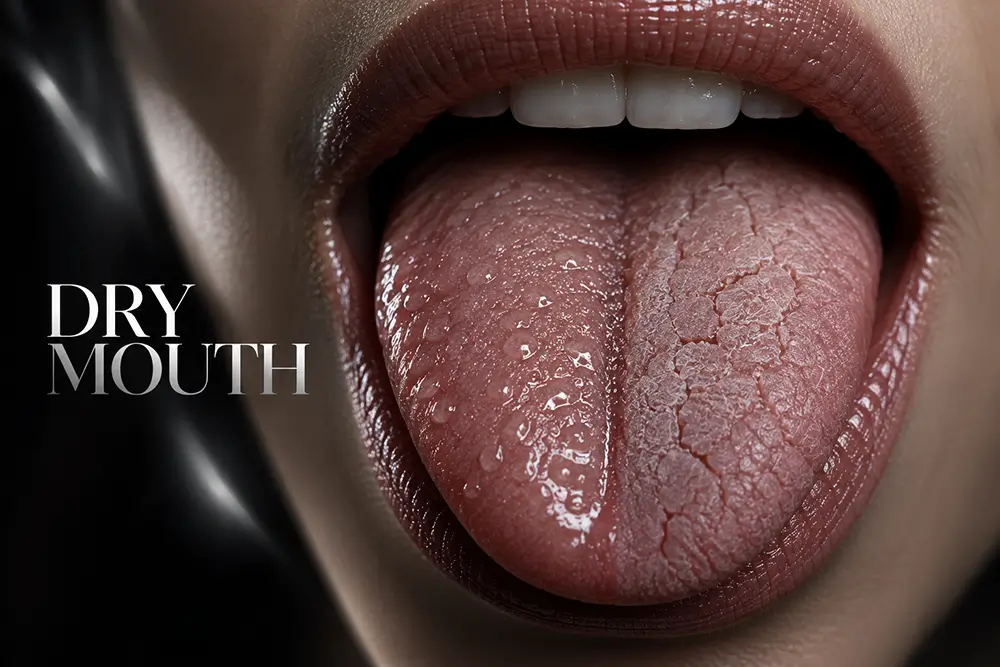
Dry mouth feels like a minor nuisance until a dentist points at the decay it leaves behind. Saliva is the mouth’s own repair system. Losing even half of normal flow changes how food tastes, how dentures fit and how fast enamel dissolves. This International Plus guide explains what actually dries the mouth and why so many people wake up parched. You will find which products give genuine relief and which make dryness worse. The guide also covers the medication question honestly because the answer is a conversation with your prescriber rather than a decision made alone.
Key Takeaways
- Prescription medication is the single largest cause of dry mouth and more than 400 drugs list reduced saliva as a side effect.
- Waking up parched usually means overnight mouth breathing rather than glandular failure.
- Sugar-free gum containing xylitol stimulates flow faster than drinking water does.
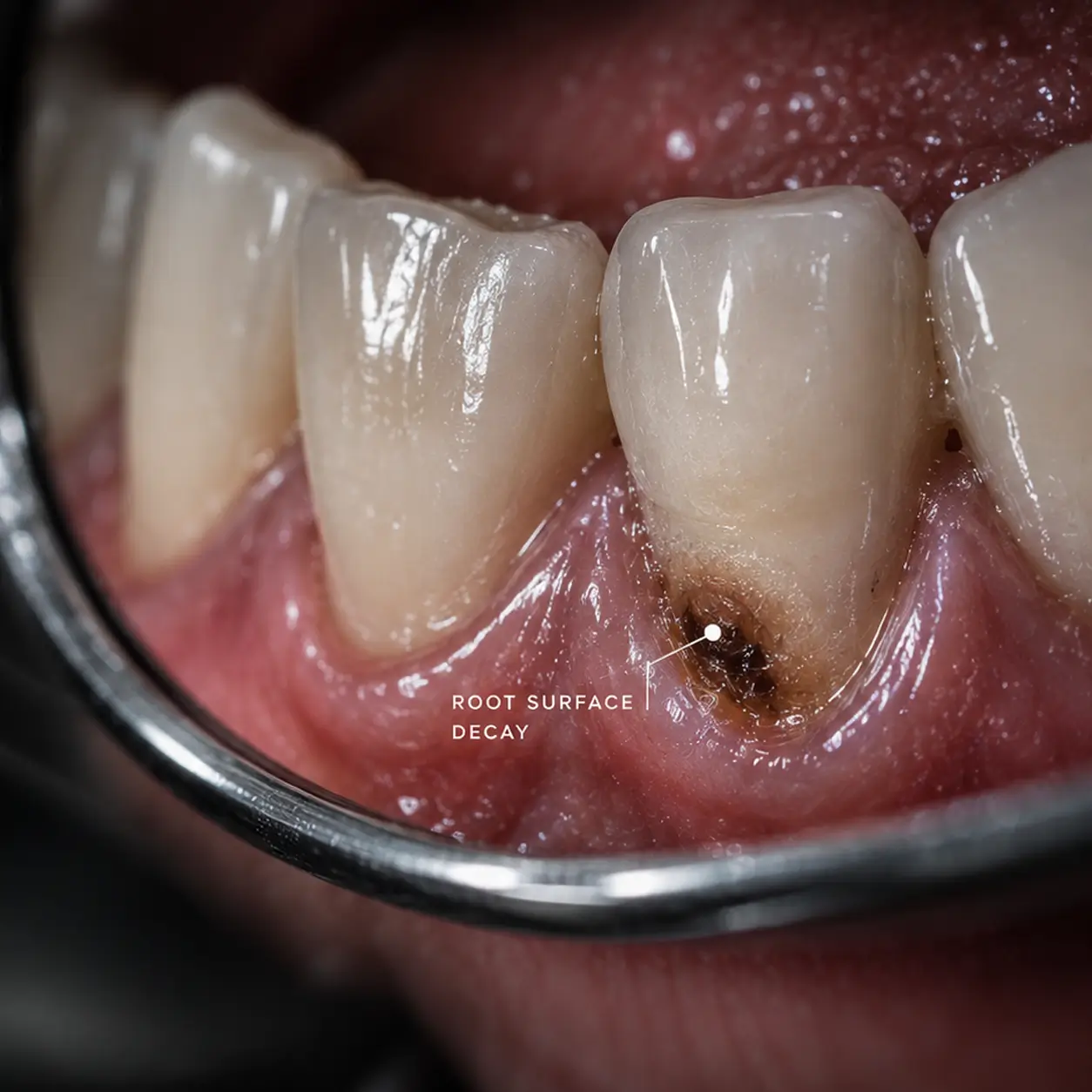
- Reduced saliva sharply raises decay risk, particularly at the gum line where root surface is exposed.
- Never stop or change a prescription because of dryness. Raise the problem with the doctor who prescribed it.
What Causes Dry Mouth?
Dry mouth, known clinically as xerostomia, is the sensation of having too little saliva. Prescription medication is the single largest cause. Dehydration comes next. Mouth breathing plus habitual snoring contribute heavily. Autoimmune conditions such as Sjögren syndrome and radiotherapy to the head or neck reduce gland output directly.
According to a 2024 review by Stoopler et al in JAMA, several hundred medications list reduced salivary flow among their side effects. Saliva does far more than moisten food. The fluid buffers acid and carries antibacterial proteins. Saliva also delivers calcium for enamel repair. Losing 50% of normal flow is usually enough to change how the mouth feels. In practice the International Plus team reviews a full medication list before assuming any dental cause. Age itself is not a cause though older patients take more drying drugs.
Why Am I Waking Up with Dry Mouth?
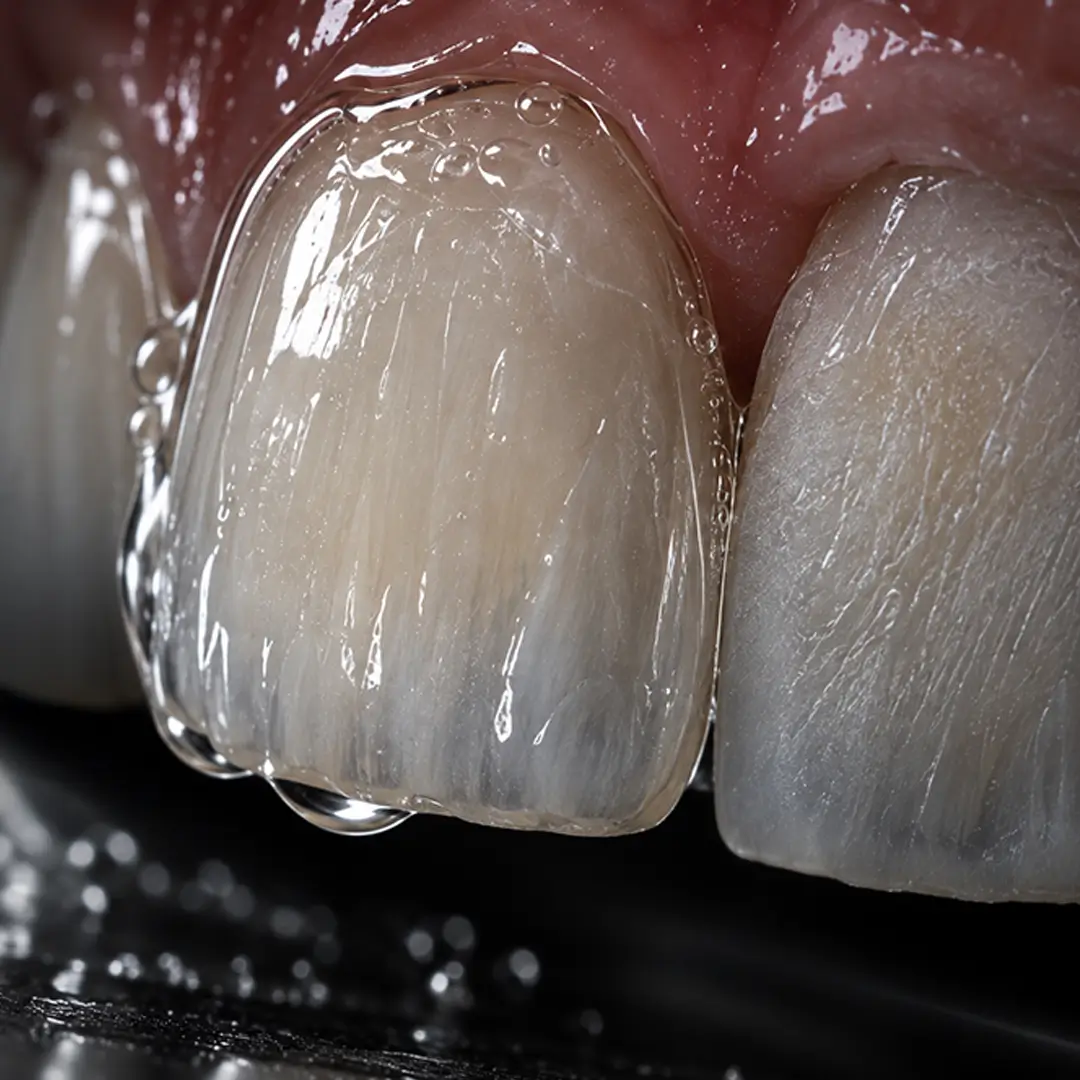
Waking up with dry mouth almost always points to overnight mouth breathing. Nasal congestion, snoring or obstructive sleep apnoea push air across the tongue for hours. Saliva production naturally falls during sleep so the drying effect compounds. CPAP therapy without adequate humidification produces the same morning result.
Morning dryness has a mechanical explanation far more often than a glandular one. Night-time salivary flow drops close to zero even in healthy adults so 8 hours of open-mouth breathing leaves oral tissue genuinely desiccated. Research by Villa et al in 2015 separated the subjective feeling of dryness from measured hyposalivation because the two do not always match. For example, our clinic sees patients whose gland function tests normal yet who wake parched every day from simple nasal blockage. Loud snoring alongside daytime sleepiness deserves a sleep assessment rather than another saliva substitute.
What Is the Fastest Way to Cure Dry Mouth?
The fastest relief comes from stimulating saliva rather than adding water. Chew sugar-free gum containing xylitol for 5 minutes. Sip water frequently instead of in large volumes. Use an alcohol-free rinse or a substitute gel before sleep. Lasting relief still requires treating the underlying cause.
Stimulation works only where gland tissue still functions. Sugar-free lozenges suit patients with some remaining flow but the approach is not right for severe hyposalivation because stimulation needs working glands. Clinical evidence collected by Salum et al in 2018 grouped therapies into stimulants, substitutes plus preventive measures. Gels coat the tissue for 2 to 4 hours, which makes them genuinely useful overnight. Cut caffeine and alcohol in the evening. Our clinical team also screens for teeth grinding since a night guard holds moisture better than an open mouth does.
Get a personalised dry mouth plan from our clinical team on the 24 hour patient coordination line.
Which Mouthwash and Products Help Dry Mouth?
Choose an alcohol-free rinse formulated for dryness. Look for xylitol, carboxymethylcellulose or hydroxyethylcellulose on the label since such agents hold moisture against tissue. Sprays suit daytime use. Gels last longer overnight. Avoid antiseptic rinses containing alcohol because evaporation leaves the mouth drier than before.
Product choice follows how long protection needs to last. A spray gives 30 to 60 minutes of comfort. A viscous gel holds for several hours, which explains its place at bedtime. Studies found saliva substitutes improve comfort without restoring the antibacterial function of real saliva so fluoride protection remains essential alongside. According to Thakkar et al in 2022, prescription salivary stimulants are considered only where gland tissue remains active. Such decisions belong entirely to the treating doctor. Any substitute is paired with a high-fluoride toothpaste in our preventive protocol.
Can COVID Cause Dry Mouth?
Yes. Dry mouth was reported frequently during and after COVID-19 infection, usually alongside taste disturbance. Salivary gland cells carry the ACE2 receptor the virus uses to enter, which offers a plausible mechanism. Most cases settle within weeks. Dryness persisting months later needs proper assessment rather than assumption.
Evidence here remains descriptive rather than definitive. A 2021 narrative review by Tsuchiya in Dentistry Journal characterised COVID-related xerostomia and set out the proposed pathways. Reported figures vary widely across studies because measurement methods differ. Dehydration during fever explains part of the picture. Medication taken during illness explains more. Post-viral dryness is handled with the same protocol our team uses for any other cause: stimulate flow, protect enamel, then re-examine at 3 months. Lingering dryness with unusual thirst warrants blood testing.
How Does Dry Mouth Cause Tooth Decay?
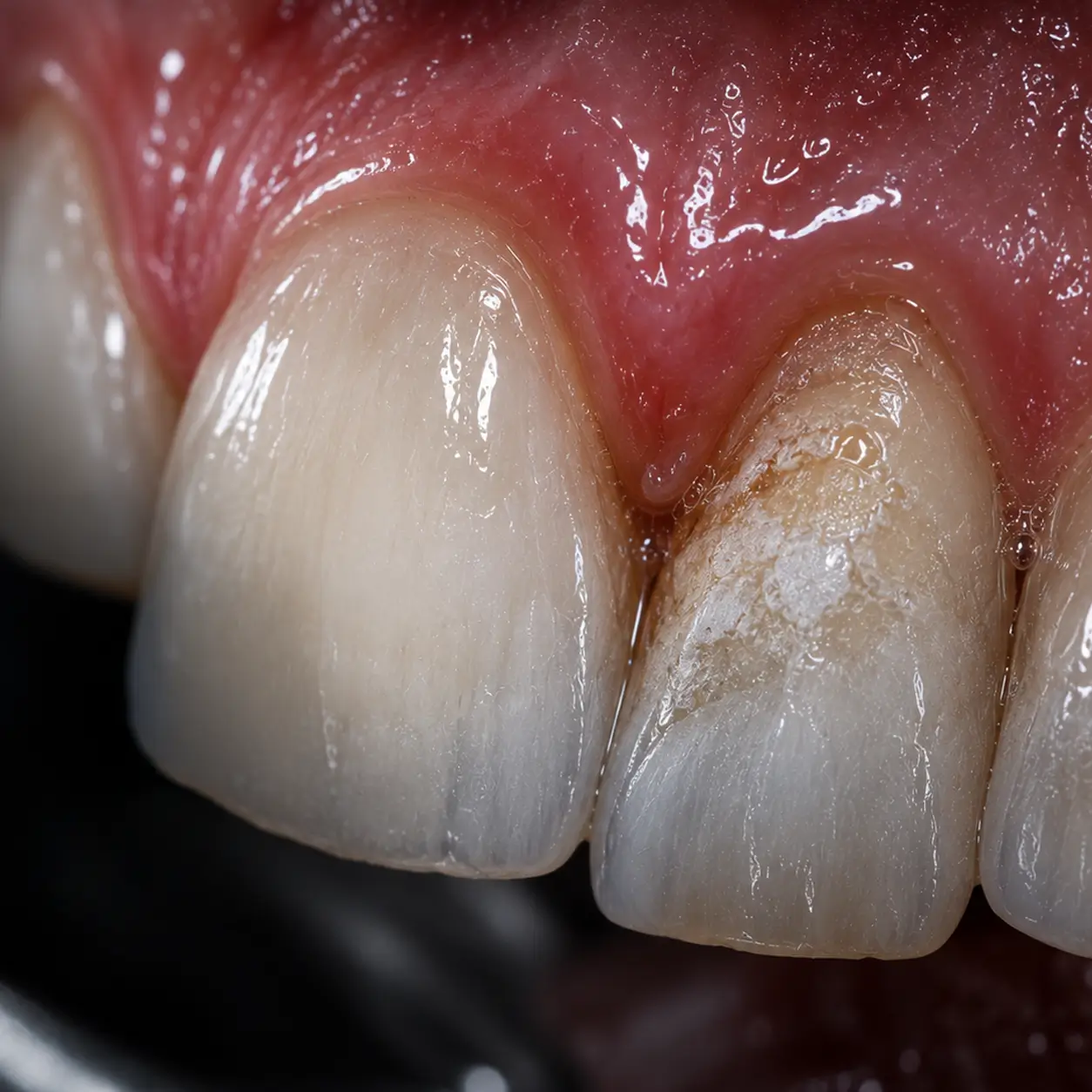
Reduced saliva raises decay risk sharply because saliva normally neutralises acid and redeposits calcium onto enamel. Without that buffer, plaque acids sit on tooth surfaces for far longer. Root surfaces suffer first. Decay appears at the gum line in patterns rarely seen in well-lubricated mouths.
The pattern is distinctive enough to raise suspicion on its own. Research by Deng et al in 2015 documented rapid demineralisation in patients with radiation-induced salivary loss. Similar lesions appear in medication-related dryness across a longer timescale. Our restorative team schedules fluoride varnish every 3 months for high-risk patients rather than the usual 6 month interval. Treating cavities early prevents pulp involvement and deep decay needing root canal treatment by endodontic specialists sits at the avoidable end of the same road. Exposed root surfaces also trigger sensitive teeth and dryness at the gum margin makes structured gum disease treatment and periodontal care part of the same prevention plan.
Which Medications Cause Dry Mouth and What Should You Do?
Antihistamines and antidepressants head the list. Diuretics plus anticholinergic drugs follow closely. Never stop or adjust a prescription because of dryness. Speak to the doctor who prescribed it since a timing change or an alternative within the same class sometimes solves the problem without losing treatment benefit.
| Medication class | Typically prescribed for | What to raise with your prescriber |
| Antihistamines | Allergy or cold symptoms | Whether a less drying option suits you |
| Antidepressants | Depression or anxiety | Whether dose timing can move to morning |
| Diuretics | Blood pressure or heart failure | Hydration plan and review interval |
| Anticholinergics | Overactive bladder or Parkinson’s | Whether an alternative class exists |
This table is a conversation guide for your doctor, never a reason to change medication yourself.
Dose timing often matters more than the drug itself. A 2018 review by Barbe in Drugs and Aging catalogued the culprit classes and showed how polypharmacy multiplies the effect. Polypharmacy compounds the effect so five drying medications produce far more dryness than any single one. Prescription salivary stimulants exist for selected patients. A guideline by Mercadante et al in 2021 defined their place in cancer-related gland damage. Where a drug looks responsible, our dentists write to the prescribing doctor rather than advising any change directly.
When Should You See a Doctor or Dentist About Dry Mouth?
See a dentist when dryness lasts beyond two weeks when new decay appears or when dentures start to rub. See a doctor when dryness arrives with dry eyes, joint pain or swollen glands because that combination can indicate Sjögren syndrome and needs blood testing rather than a mouth spray.
Timing decides how much enamel survives. Persistent dryness quietly multiplies decay risk within 12 months. Difficulty swallowing dry food is the practical early marker patients notice before any dentist does. Our clinical team records unstimulated saliva flow at baseline so change becomes measurable rather than remembered. Dryness also fuels bad breath and accelerates gum disease. International Plus carries 5,504 verified reviews at 4.8 out of 5 and has treated more than 200,000 patients from 140+ countries so preventive and restorative care can be staged inside one visit. This guide was reviewed by Dr. Eren Gülbahar, an American Dental Association member. Individual results vary.
Book a dry mouth and decay risk assessment with the International Plus coordination team.
Frequently Asked Questions
Why is my mouth dry even though I drink a lot of water?
Water rehydrates the body without replacing saliva and saliva is what actually coats and protects oral tissue. If the glands are suppressed by medication or damaged by disease, drinking more simply passes through. Stimulating flow with sugar-free gum works better and the underlying cause still needs review.
What is the fastest way to relieve dry mouth at night?
Apply a saliva substitute gel just before sleeping because gels stay in place for several hours while sprays evaporate quickly. Treat any nasal blockage so you breathe through the nose. Keep water beside the bed and avoid alcohol in the evening since alcohol worsens overnight dryness.
Is dry mouth a sign of diabetes?
Dry mouth can accompany poorly controlled diabetes, usually together with unusual thirst and frequent urination. Diabetes is only one of many possible causes so the symptom alone proves nothing. Persistent dryness with those additional signs justifies a blood test arranged through your doctor rather than self-diagnosis.
Can dry mouth cause bad breath?
Yes. Saliva carries oxygen that suppresses the anaerobic bacteria producing sulphur gases so reduced flow lets those bacteria flourish. Morning breath is the everyday version of this effect. Chronic dryness produces the same odour all day, which is why treating the dryness usually improves breath.
Does dry mouth ever go away?
Dry mouth caused by dehydration or a short course of medication resolves once the trigger stops. Dryness from long term prescriptions improves when the prescriber can adjust treatment. Gland damage from radiotherapy or autoimmune disease is usually permanent so care focuses on comfort and protecting enamel.
Reviewed by Dr. Eren Gülbahar
References
- Stoopler ET, et al. JAMA. 2024. PMID: 38530258
- Villa A, et al. Ther Clin Risk Manag. 2015. PMC4278738
- Barbe AG. Drugs Aging. 2018. PMID: 30187289
- Thakkar JP, et al. Oral Maxillofac Surg Clin North Am. 2022. PMID: 34598858
- Mercadante V, et al. J Clin Oncol. 2021. PMID: 34283635
- Salum FG, et al. Gerodontology. 2018. PMID: 29956369
- Tsuchiya H. Dent J (Basel). 2021. PMC8625834
- Deng J, et al. Oral Oncol. 2015. PMID: 26198979
Follow us on Social Media
internationalplusofficial
internationalplus
internationalplusdental
This content is written, reviewed, and approved by the International Plus Medical Review Board to ensure clinical accuracy and adherence to strict editorial standards. All medical information is regularly monitored, audited and updated in light of the latest scientific advancements.
However the information provided here is for general informational purposes only and cannot be used for self diagnosis or making individual health interpretations. Results of medical treatments depend on individual anatomy and the unique healing process of each patient. This information should not replace a personal consultation with a qualified healthcare professional. To understand the best options for your specific needs and to receive a personalized treatment plan, we invite you to book a free consultation with the expert medical team at International Plus.

I am a healthcare professional with over 4 years of experience in dentistry, specializing in prosthetic dental treatment and implant-based applications. Since 2024, I have been serving as chief physician, leading clinical management, team coordination, and international patient processes. With my B2-level English proficiency, I am able to communicate effectively with international patients. I am a patient-centered, innovative, and solution-oriented dentist who prioritizes patient satisfaction.